
Homepage
Behind every dashboard is a person making a decision.
Better research creates better products.
Better products create better decisions.
Better decisions create better outcomes.
From understanding the problem to measuring the outcome.
A continuous product design process that connects user research, problem definition, workflow design, validation, and measurement.
Research
Understand users, workflows, business goals, and the context surrounding the problem.
Define
Identify the core problem, key pain points, user needs, and opportunities for improvement.
Map
Organize information, workflows, decision points, and priorities before designing the experience.
Design
Create user flows, wireframes, prototypes, and interfaces that simplify complex tasks.
Validate
Test solutions with users and stakeholders, gather feedback, and refine the experience.
Measure & Improve
Evaluate product outcomes, identify new opportunities, and continue improving the experience over time.
Solving complex problems in enterprise environments.
Selected product design work across transportation, logistics, enterprise platforms, mobile products, and higher education.
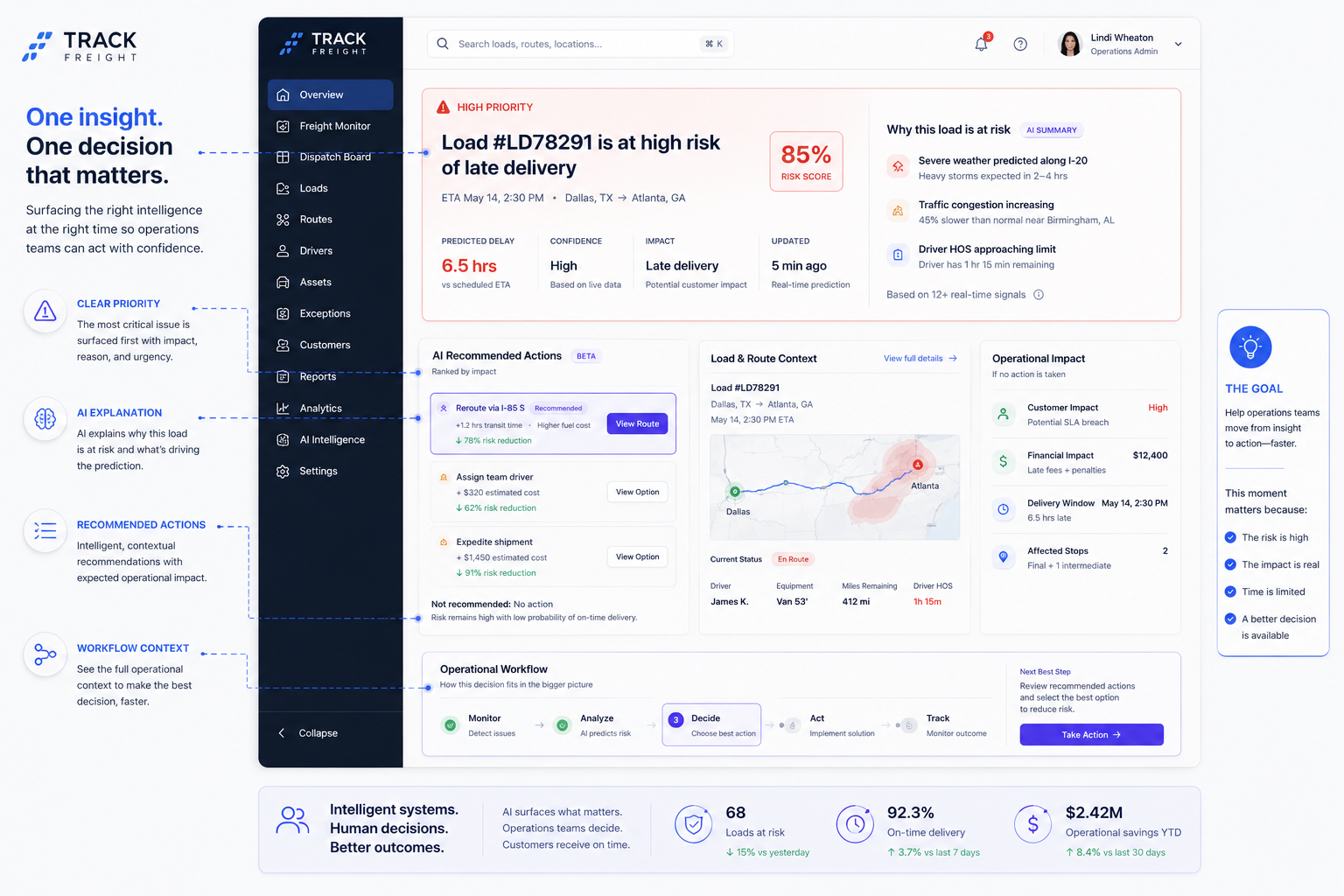
Track Freight
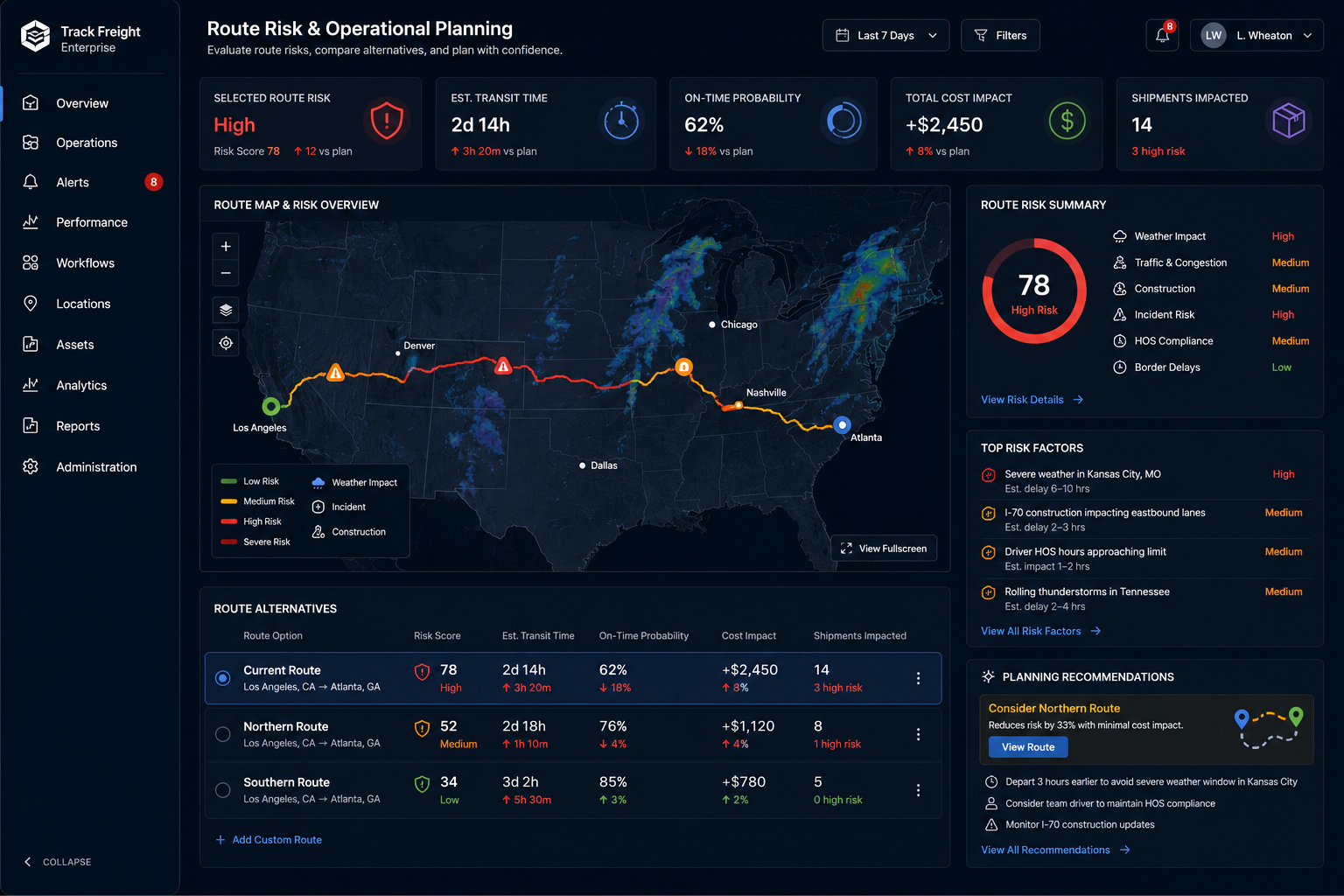
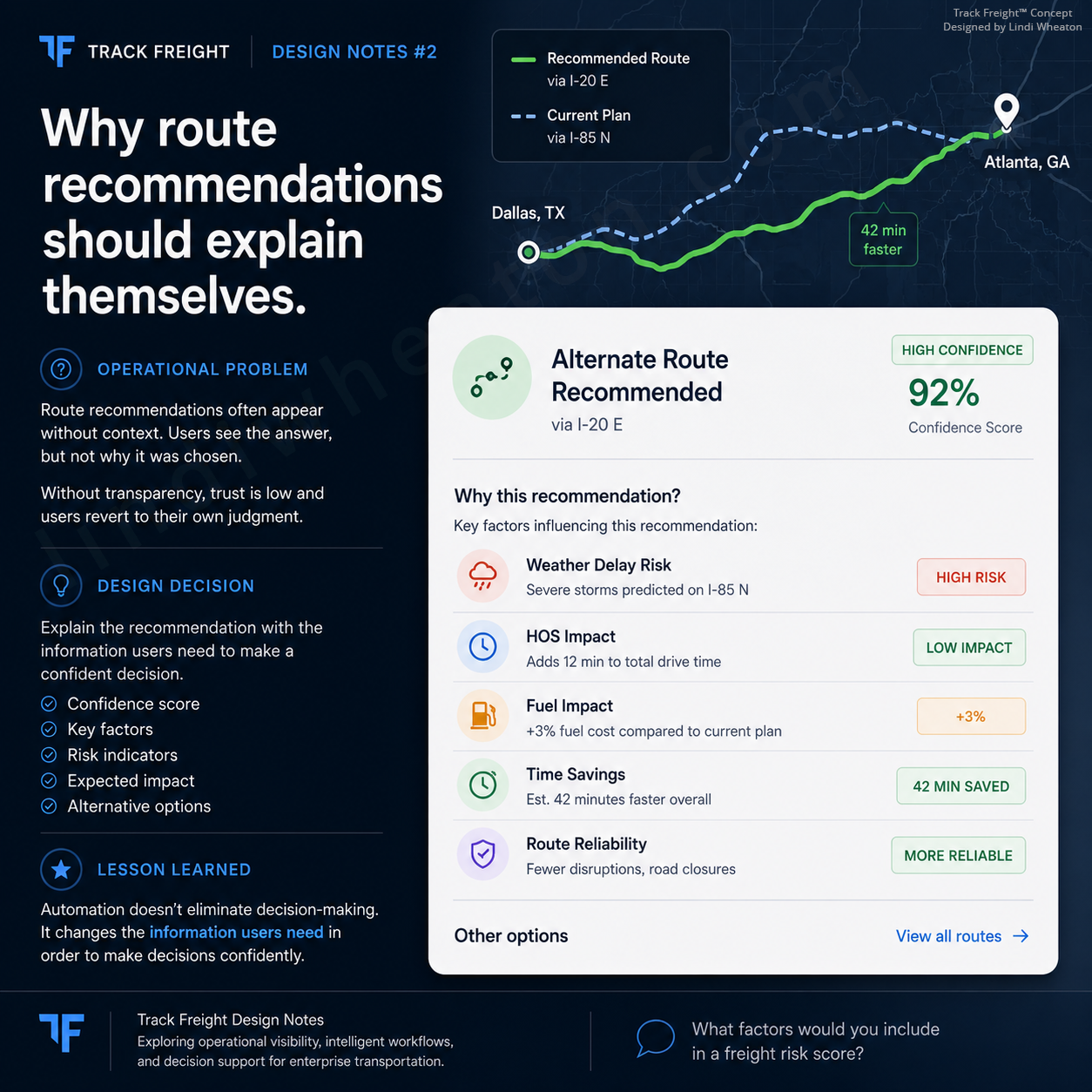
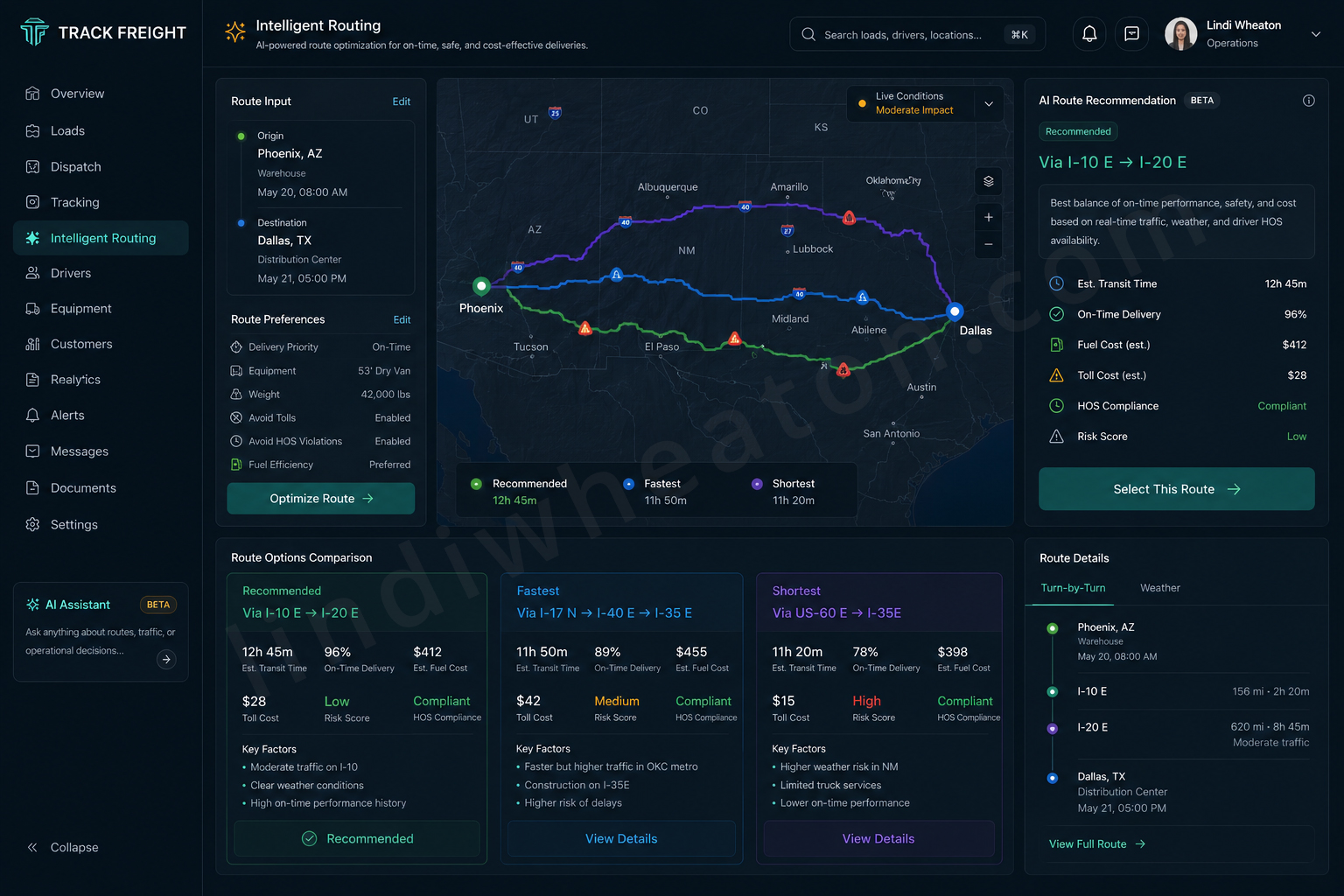
An intelligent freight operations platform focused on visibility, workflow prioritization, route intelligence, and decision support.
View Case Study →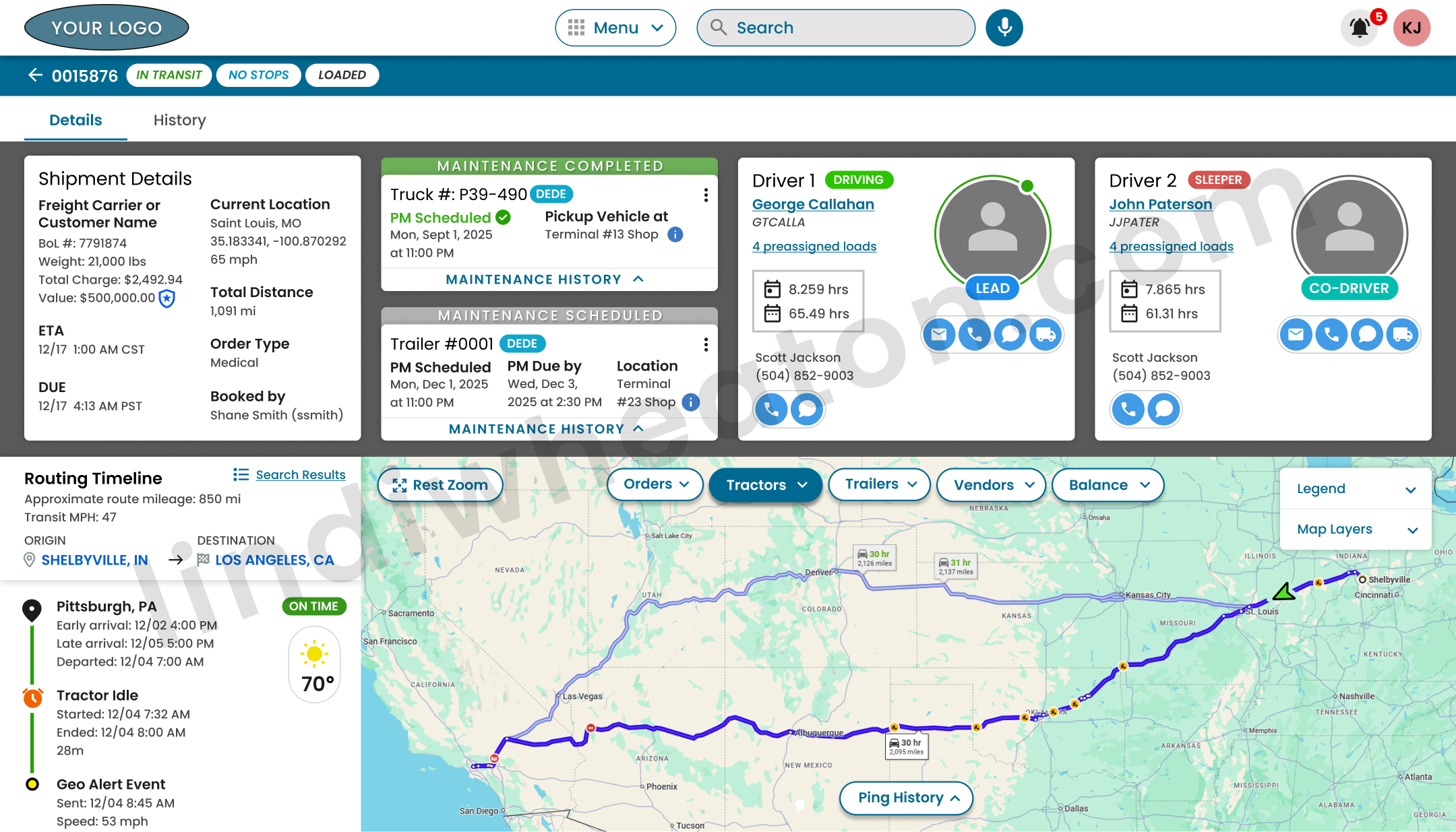
Dispatch Operations Platform
Operational visibility, load assignment, real-time tracking, alerts, and workflow coordination.
View Case Study →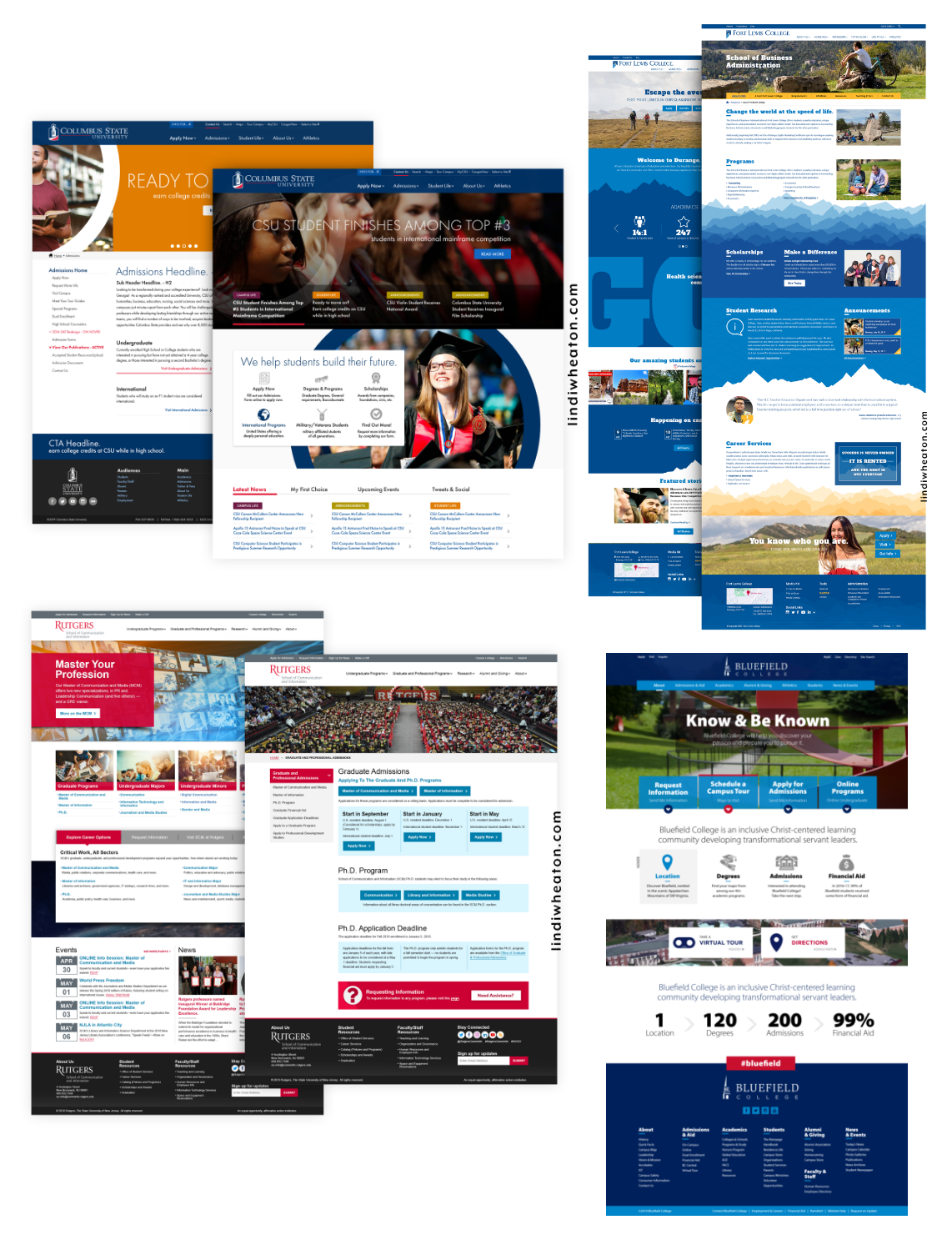
College & University Websites
User research, information architecture, accessibility, and digital experiences designed to improve program discovery and enrollment.
View Case Study →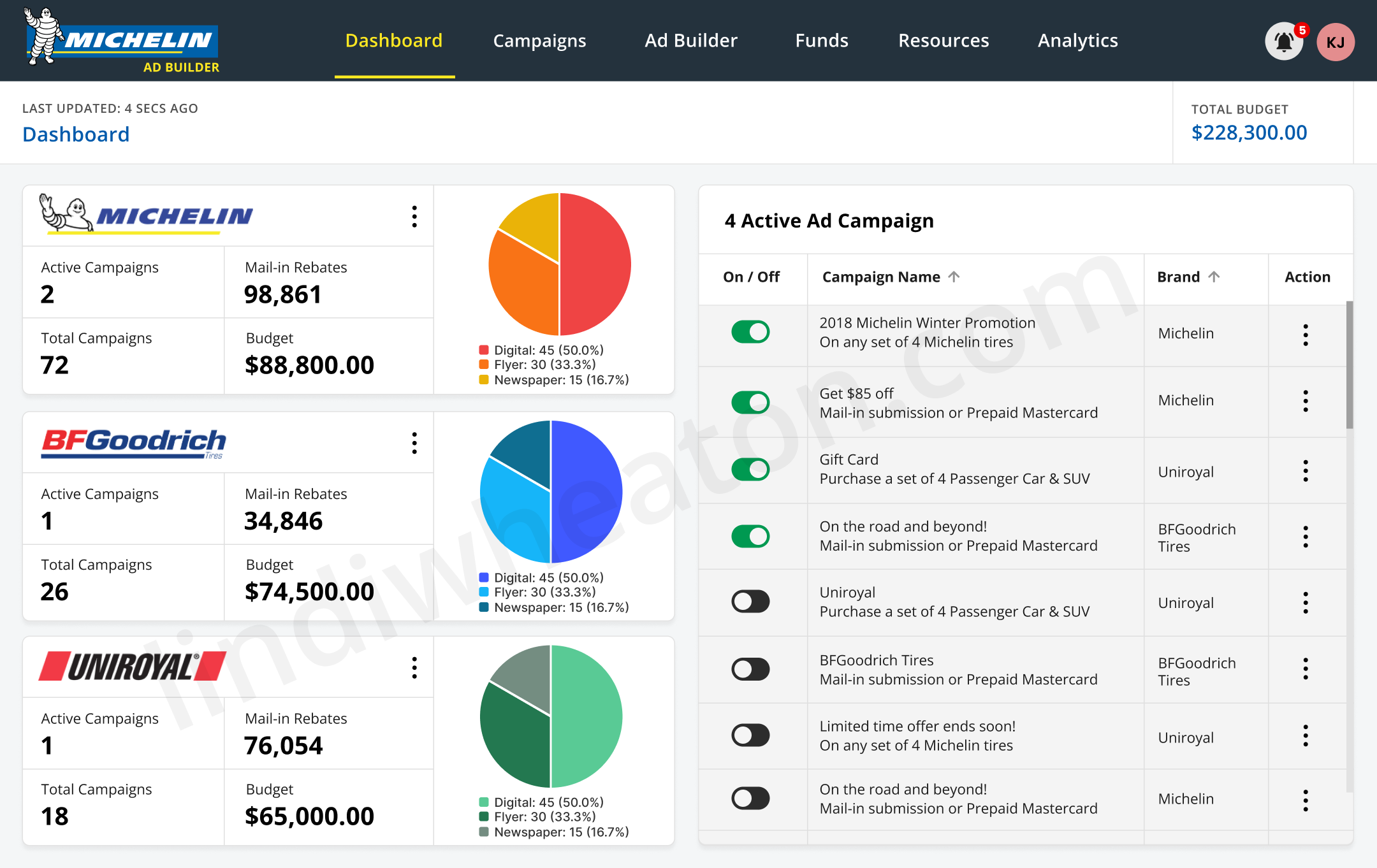
Enterprise Dashboard Systems
Complex workflows, reporting, data visibility, and digital tools designed to help teams manage information and work more efficiently.
View Case Study →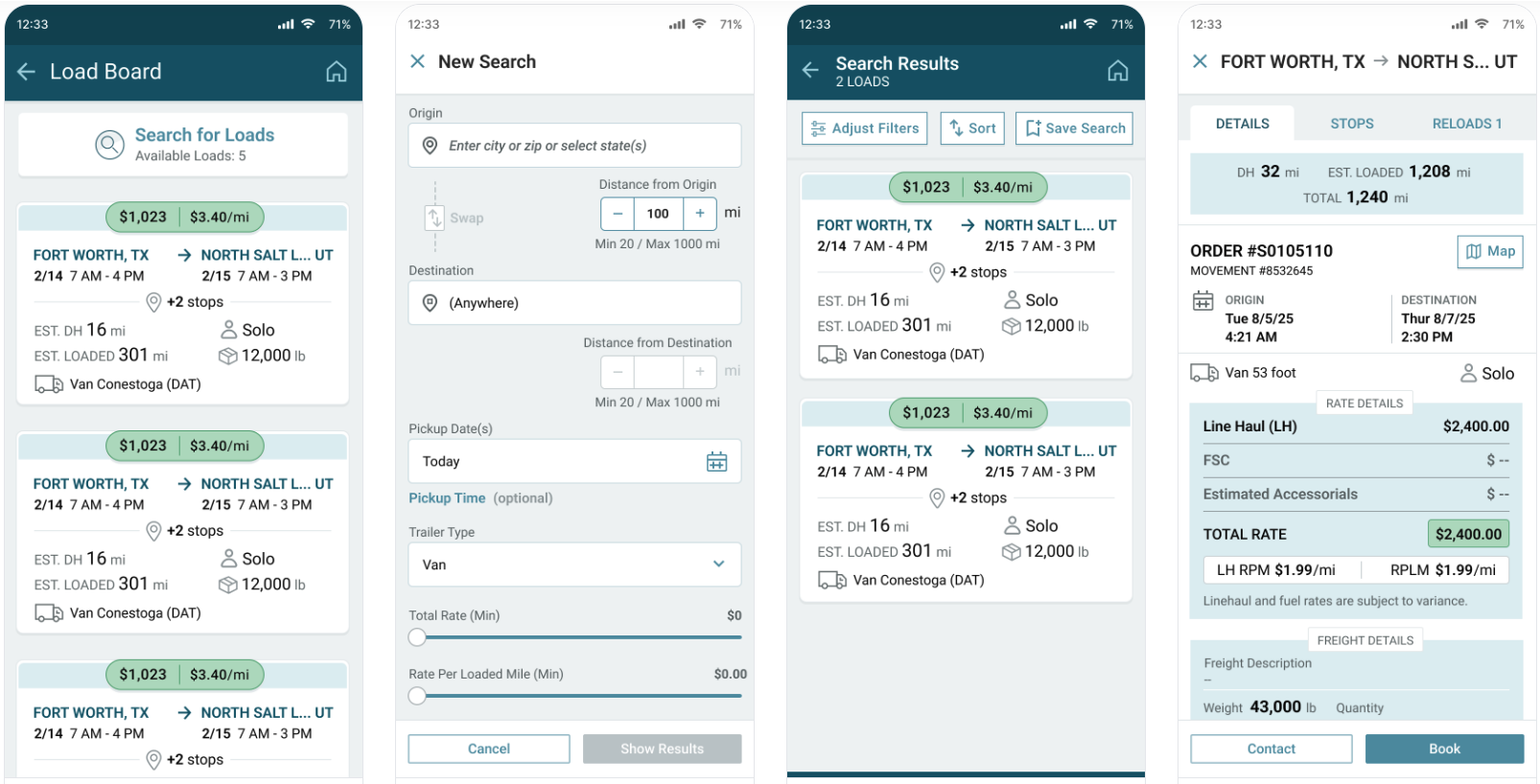
Driver and Freight Workflows
Connected products designed for dispatchers, freight brokers, operations teams, and drivers.
Explore Transportation Work →Turning data into clearer product decisions.
I use AI, analytics, and behavioral insights to accelerate research, identify meaningful patterns, evaluate product performance, and support more informed product decisions.
AI should improve understanding, not replace human judgment.
I use AI to support research synthesis, workflow analysis, concept exploration, content organization, and future-state product thinking. Product decisions remain grounded in user needs, evidence, and business context.
Organize interview findings, recurring pain points, and workflow patterns.
Explore prioritization, predictive alerts, and explainable recommendations.
Connect product changes with adoption, efficiency, conversion, and user outcomes.
Signals include urgency, missing context, user effort, operational impact, and time sensitivity.
Product Analytics
Understand engagement, navigation, feature adoption, task completion, and workflow drop-off.
Behavioral Insights
Combine quantitative data with research to understand why users behave a certain way.
AI-Assisted Research
Accelerate synthesis, theme identification, concept exploration, and hypothesis generation.
Outcome Measurement
Measure efficiency, adoption, retention, conversion, task completion, and decision confidence.
Turning research into decisions teams can act on.
Strong product design requires more than following a process. I connect research, evidence, design thinking, and product outcomes to help teams understand what to build, why it matters, and whether it made a difference.
Research reveals what is really getting in the way.
I bring together user interviews, contextual observations, usability findings, analytics, stakeholder feedback, and workflow behavior to understand the problem from multiple perspectives.
I turn scattered findings into a clear product story.
I synthesize research into themes, connect recurring pain points, identify workflow breakdowns, and separate surface-level requests from the underlying problem.
Prototypes turn assumptions into something teams can evaluate.
I translate product opportunities into user flows, interaction concepts, wireframes, and high-fidelity prototypes so teams can explore and evaluate ideas before development begins.
I present the reasoning behind the design, not just the screen.
I connect design decisions back to research findings, user needs, workflow constraints, technical considerations, and business goals so teams understand why the solution works.
Feedback becomes another source of product insight.
User testing, stakeholder review, and engineering collaboration often reveal new constraints and opportunities. I use those insights to improve workflows, hierarchy, interactions, and product behavior.
Results show whether the experience actually improved.
After launch, I review analytics, adoption, usability, user feedback, task efficiency, and business outcomes to understand what changed and where the product can continue to improve.