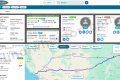
Driver Operations App
Designing an Intelligent Driver Mobile App for Freight, Pay, Routes & Real-Time Support
The Driver Mobile App is an enterprise mobile platform designed to centralize load details, route visibility, document capture, pay transparency, support, and driver self-service into one reliable experience for drivers on the road.
Drivers needed fast access to critical information while working across changing schedules, dock delays, limited connectivity, and time-sensitive delivery windows. The product focused on simplifying operational workflows without losing the detail required to execute freight accurately.
As Lead Product Designer, I shaped the mobile product strategy, workflow architecture, analytics model, accessibility standards, and scalable UI patterns across iOS and Android. The goal was to reduce operational friction, improve driver confidence, and connect driver activity back into the larger enterprise logistics ecosystem.
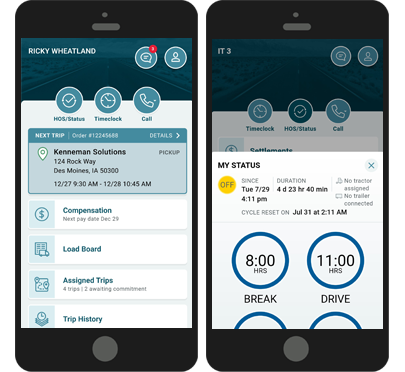
A centralized mobile starting point for loads, routes, weather, messages, documents, pay visibility, and support.
| Role | Lead Product Designer · Mobile Product Strategy · Enterprise Systems |
|---|---|
| Platform | iOS & Android · React Native · Enterprise logistics ecosystem |
| Teams | Drivers · Dispatch · Safety · Payroll · Operations · Driver Support |
| Focus | Driver workflows · Self-service · Intelligent systems · Analytics-informed UX |
Centralized load, route, document, pay, support, and self-service tasks into one mobile experience.
Connected driver activity with dispatch, payroll, safety, documents, and operations workflows.
Used mobile behavior, completion rates, support patterns, and friction signals to guide improvements.
Identified opportunities for predictive alerts, smart document guidance, and personalized next actions.
Increase in driver adoption during rollout.
Reduction in generic load-status calls.
Fewer missing or rejected proof-of-delivery documents.
Lift in driver satisfaction after adoption.
The challenge was designing for real work in unpredictable conditions
Drivers needed fast access to load details, route information, document capture, pay visibility, support, and self-service tools while working across changing schedules, limited connectivity, cab glare, dock delays, and time-sensitive delivery windows.
The app could not function as a simple companion tool. It needed to operate as a reliable mobile layer connected to dispatch, payroll, documents, safety, and freight execution across the enterprise.
Create a driver-facing mobile platform that helped drivers complete work with more clarity, confidence, and fewer operational interruptions.
Core product problems
- Drivers were using calls, SMS, printed trip sheets, portals, and multiple tools to manage daily freight work.
- Load details, documents, pay, support, and routes were fragmented across disconnected workflows.
- Document issues delayed billing, settlements, payroll review, and internal follow-up.
- Support calls filled gaps the mobile experience did not answer clearly.
- Trust in prior tools was low, making reliability and visible value critical to adoption.
Shifting the app from task access to driver decision support
The product strategy focused on turning fragmented driver tasks into a connected mobile workflow. Instead of designing separate screens for loads, documents, pay, and support, I structured the experience around the full trip lifecycle.
Before → After Product Shift
- Drivers gathered information across disconnected channels.
- Load details, documents, pay, and support felt like separate tasks.
- Support calls were needed for basic freight, pay, and route questions.
- POD capture lacked enough guidance for quality and completeness.
- Login and access friction created adoption barriers.
- The app became a single mobile source of truth for freight execution.
- Trip stages connected routes, stops, documents, messages, and pay.
- Self-service answers reduced dependency on dispatch and payroll.
- Guided POD capture improved document quality and reduced rework.
- Authentication patterns balanced security with daily usability.
Key product decisions
- Design around the trip lifecycle: plan, accept, execute, document, resolve, and review pay.
- Surface high-value context first: next load, appointment windows, route risk, documents, and pay visibility.
- Reduce support dependency: answer common questions directly inside load, pay, and support flows.
- Account for driver conditions: low connectivity, cab glare, device variance, thumb zones, and time pressure.
- Measure the product system: track login, load viewing, POD submission, pay review, and support behavior.
The product moved from “drivers can access information” to “drivers can complete work with more confidence and less support.”
A driver journey designed around real trip execution
The app experience was structured around the way drivers actually move through freight work: planning the day, reviewing load requirements, executing stops, submitting documents, resolving issues, and reviewing pay.
Drivers see today’s loads, appointments, route, weather, and important alerts.
Drivers review stop sequence, equipment requirements, instructions, and timing.
Drivers manage active stops, messages, route changes, and delivery timing.
Drivers capture signatures, paperwork, exceptions, and proof-of-delivery documents.
Drivers review pay, settlement details, issues, and home-time visibility.
Using behavioral signals to improve driver workflows
I defined a product analytics model that connected driver actions to operational outcomes. Login, load viewing, POD submission, pay review, and support events helped identify friction, prioritize improvements, and uncover future AI-assisted workflow opportunities.
These product signals helped identify where mobile workflows could support smarter prompts, automation, and self-service improvements.
AI-informed opportunities
- Smart document guidance: detect blurry, missing, or incomplete POD submissions before upload.
- Load recommendations: match driver preferences, equipment, hours, lanes, and home-time goals.
- Support routing: prefill load, stop, pay, or document context when a driver reports an issue.
- Predictive alerts: notify drivers when weather, appointment timing, or missing documents create risk.
- Personalized summaries: surface the most important next actions for each driver.
Mobile workflows built for speed, clarity, and trust
Critical flows were designed to reduce daily friction while supporting secure access, accurate freight execution, better document quality, and clearer driver communication.
Reduced access friction with clear sign-in, recovery, verification, and trusted-device patterns.
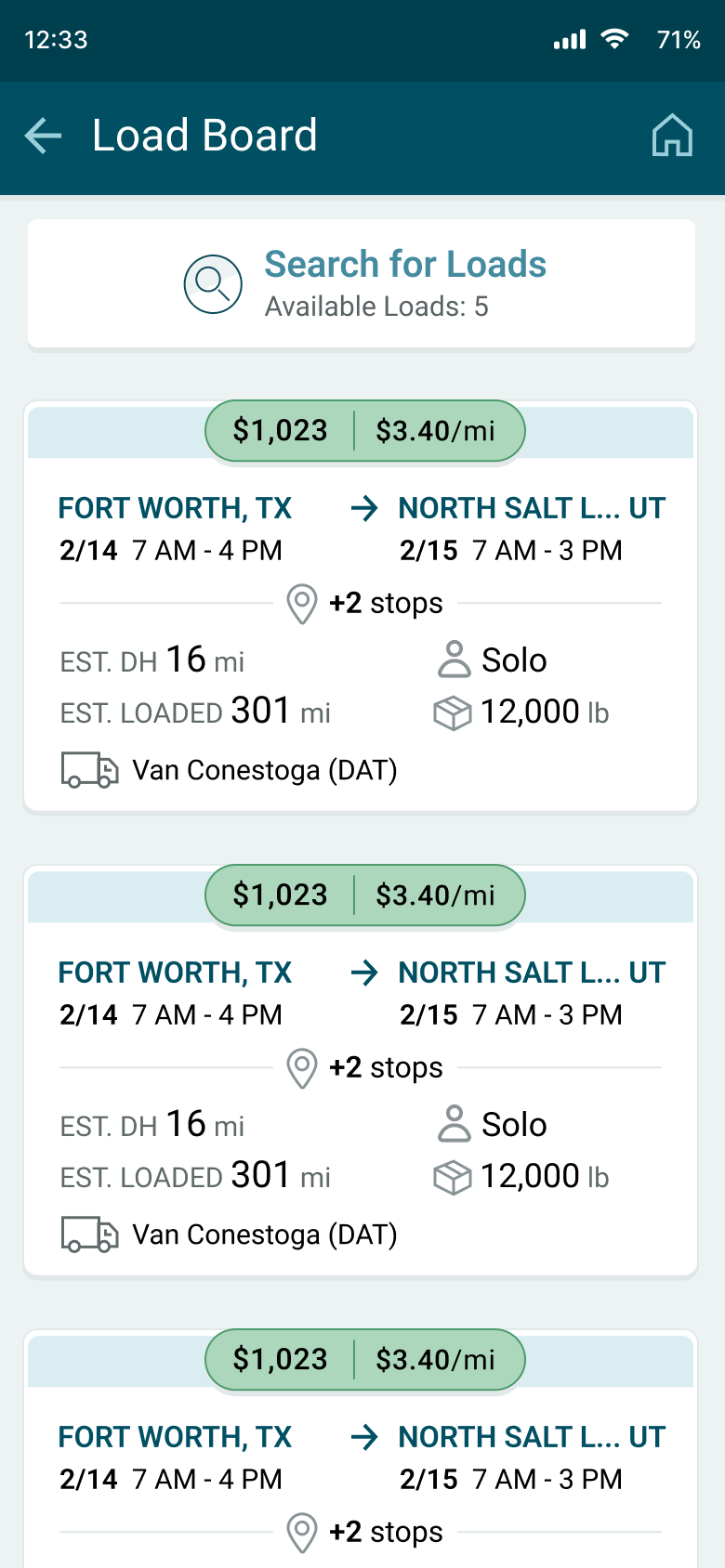
Helped drivers find and compare freight using route, timing, pay, and preference-based context.
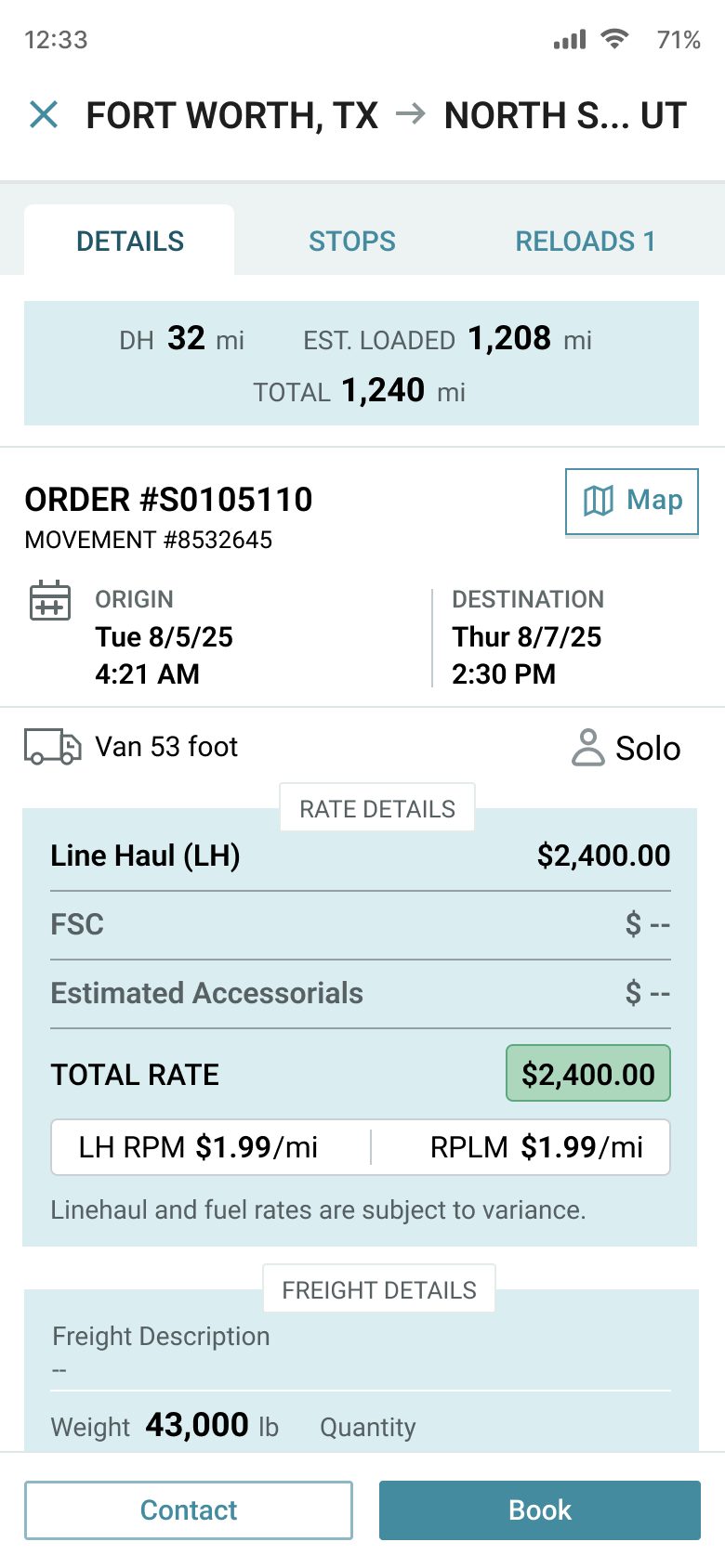
Surfaced stops, appointment windows, instructions, documents, and estimated pay before commitment.
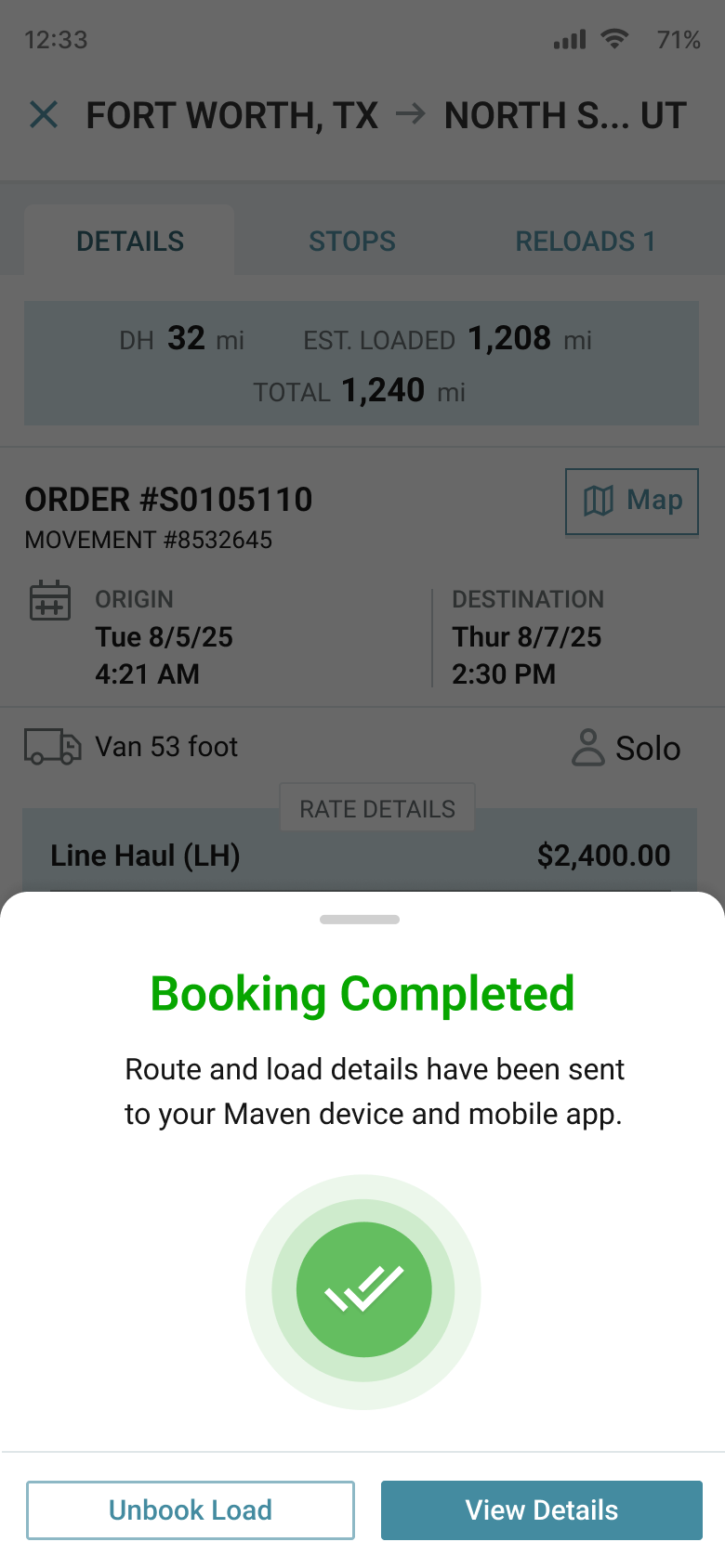
Confirmed success and connected the booked load back to the driver’s active trip workflow.
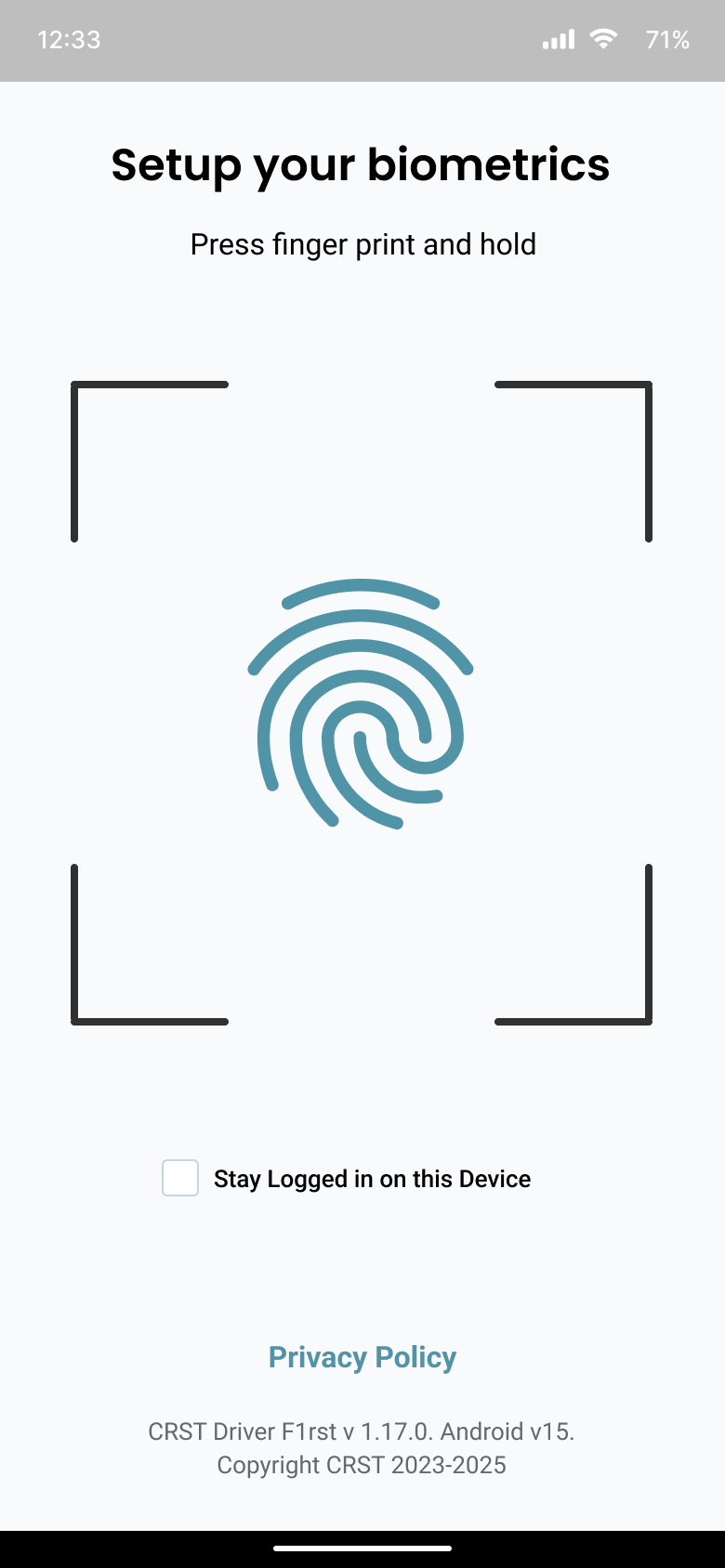
Balanced enterprise security with daily driver usability through biometrics and remembered-device options.
End-to-end product outcomes
Each stage of the driver workflow connected a product improvement to an operational result.
| Journey stage | Product improvement | Impact & KPIs |
|---|---|---|
| Plan the day | Start-of-day dashboard with today’s load, appointments, route, weather, documents, and high-signal alerts. |
|
| Execute load | Timeline-based load view with current stop, next stop, tap-to-call, and load-specific messages. |
|
| Documents & POD | Guided camera flow with document checklist, quality prompts, and upload feedback. |
|
| Pay & support | Trip-based pay details, projected settlement, and structured issue reporting with load context attached. |
|
Designing mobile products that simplify complex operational work
I design scalable enterprise products, mobile workflows, and analytics-informed interfaces that improve visibility, reduce friction, and support better decision-making across complex operational environments.